Explore the Rewards of Home Remodeling: A Thorough Guide to Upgrading Your Living Space
Home remodeling provides several benefits that extend beyond just appearance. It can greatly enhance a property's value as well as bettering its power performance and functionality. As homeowners aim to design spaces that meet their evolving needs, the benefits of well-planned renovations become increasingly evident. Understanding these advantages can help individuals make educated choices about their living spaces, bringing about significant improvements that foster comfort and self-identity. What particular advantages are in store for those prepared to begin this journey?
Boosting Aesthetic Appeal
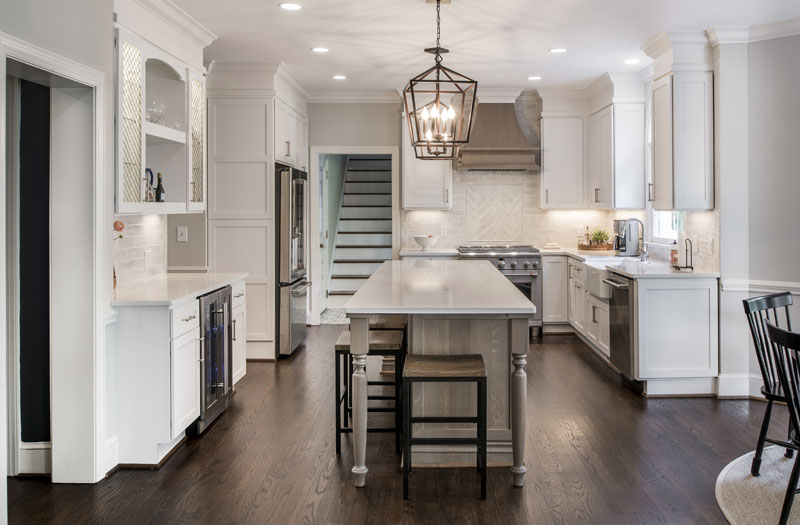
Although many homeowners may not realize it, boosting the beauty through remodeling can greatly transform a living space. A well-executed remodel can revitalize outdated interiors, producing settings that mirror personal style and current design trends. Whether it means changing colors, textures, or layouts, these changes can greatly influence the total vibe of a home.
For instance, introducing modern lighting fixtures or replacing worn-out flooring can create a more pleasant mood. Open-concept layouts can improve flow, making spaces feel bigger and better connected. Additionally, including things like decorative moldings, custom cabinetry, or trendy splashbacks can boost the look in key areas like kitchens and living rooms.
Ultimately, the aesthetic improvements achieved through remodeling do more than just improve the homeowner's experience but also foster a sense of pride and comfort in their surroundings, leading toward a more pleasant way of living.
Boosting the Value of Your House
Home remodeling can greatly increase a property's value, turning it into a wise financial move for homeowners. Strategic upgrades, like kitchen or bathroom renovations, frequently produce substantial payback. According to market professionals, a modernized kitchen can earn back nearly 80% of its cost upon resale. Additionally, boosting the outdoor appearance through exterior improvements can attract potential buyers, raising the property's market price.
Power-saving renovations, like new windows or insulation, do more than just cut utility costs but also are desirable to eco-conscious buyers, as well as raising market value. Furthermore, adding livable square footage through an extra room or renovated lower level boosts both usability and desirability, making the home more competitive in the property sector.
In the end, thoughtful remodeling choices are capable of turning a house into a valuable investment, ensuring a favorable return on investment and giving residents an enhanced quality of life.
Improving Functionality and Layout
Successful renovation projects doesn't just increase market price but also aims to better the utility and design within the living space. A well-thought-out remodel is able to convert confined spaces into practical environments, creating smoother transitions and convenience. Specifically, eliminating barriers often results in open layouts that promote sociability and adaptability in room function.
In addition, rearranging rooms such as kitchens and bathrooms can greatly enhance their efficiency. Improving storage capacity and optimizing counter space allows for a more organized environment, suited to the user's demands.
Moreover, careful arrangement of furnishings during a remodel can improve the overall layout, making rooms feel larger and appealing. When emphasizing utility, homeowners can create a space that satisfies their everyday needs but also improves their general well-being. Ultimately, a focus on layout and functionality results in a smoother residential life.
Enhancing Energy Conservation
A significant benefit of remodeling is the chance to improve energy performance across the property. People commonly leverage this by installing better insulation, putting in high-performance windows, and updating old HVAC units. Such changes not only reduce energy consumption but also reduce power expenses, making the home more economical over time.
Additionally, incorporating energy-efficient appliances in the update process boosts overall energy reduction. Items like smart temperature controls and LED lighting additionally improve performance, allowing homeowners to manage energy use effectively.
Furthermore, implementing green building products and sustainable methods during the remodeling process decreases the house's contribution to climate change. By opting for regenerative products and minimizing discarded materials, homeowners can create a more sustainable living space. Finally, improving power performance via renovation not only benefits the environment but also enhances the overall value of the home.
Establishing a Comfortable Ambiance
Creating a comfortable environment in a home requires various crucial factors. Improving ambient light, optimizing the spatial arrangement layout, and picking comfortable materials can significantly improve the overall feeling. These factors not only elevate visual appeal but also add to a more pleasant and practical living space.
Maximizing Ambient Light
While many homeowners overlook the effect of natural light, its enhancement can greatly change a living space into a access now more inviting and comfortable environment. Boosting natural light not only brightens rooms but also fosters an open atmosphere that fosters relaxation. Strategies such as installing more expansive windows, skylights, or glass doors can significantly boost sunlight access. Furthermore, using bright paint and reflective surfaces can boost the natural light that fills a space. Placing strategically located mirrors can also improve brightness while giving the illusion of depth. By emphasizing natural light, occupants can foster a calm and uplifting atmosphere, ultimately contributing to a more pleasant living situation. This simple yet impactful improvement can truly boost the total visual appeal and functionality of a home.
Streamlining Space Layout

When residents emphasize improving space layout, they can significantly improve the comfort and functionality of their living areas. Deliberate arrangement of furnishings and fixtures can create an open, welcoming setting that allows for ease of movement. By evaluating the traffic of every room, homeowners can spot unused areas and transform them into useful spaces. For example, combining a kitchen and dining area can promote social activity while boosting usefulness. Furthermore, adding multi-functional furniture provides flexible uses of space, catering to different needs without cluttering. In the end, a carefully planned layout not only enhances daily living but also adds value to the home, making it a more satisfying and usable space for family and visitors alike.
Selecting Suitable Materials
Selecting cozy fabrics and finishes is vital for homeowners looking to establish a pleasant setting. The selection of fabrics, textures, and furniture is essential in enhancing both visual appeal and comfort. Soft, breathable fabrics including linen or cotton for upholstery tend to foster a soothing environment, while thick carpets make the floor feel warmer. Moreover, bringing in organic substances such as stone or timber helps instill calmness to rooms. The selection of colors are also key to comfort; soft, muted tones tend to suggest peacefulness, while vibrant hues may invigorate the space. Individuals must factor in durability alongside comfort, ensuring that the chosen materials are resistant to routine use. Ultimately, a well-considered picking of cozy elements contributes greatly to an inviting and pleasant home ambiance, promoting wellness.
Customizing the Home
Personalizing a living space allows individuals to express their personal flair through thoughtful design choices. By incorporating specific features and arrangements, homeowners are able to design spaces that showcase who they are but also enhance functionality. This customized method ensures that every part is useful while remaining aesthetically pleasing.
Distinctive Design Selections

A home acts as a mirror of its owner’s way of life and character, making unique design choices essential for establishing a custom environment. Homeowners have the opportunity to express their individuality through different features including color schemes, surface feel, and furniture. Adding customized art, inherited treasures, or bespoke elements can further enhance the uniqueness of the residence. Distinctive aesthetic decisions frequently combine beauty with practicality, creating a balanced environment that connects with the people living there. If selecting dramatic elements or minor details, these choices help create an inviting and comfortable environment. Ultimately, choosing personalized elements converts an ordinary room into a real retreat, fostering a sense of belonging and identity that enriches daily living.
Optimizing Space Use
Making a home unique involves more than individualized design; it means improving the practicality of each area within a home. Efficient utilization of space guarantees that all available space is utilized effectively, enhancing both comfort and efficiency. Individuals should evaluate their daily activities to determine where changes are necessary—such as developing open layouts for social gatherings or dedicated workspaces for handling remote duties. Using furniture that serves multiple purposes, like foldable tables or storage ottomans, optimizes spatial usage while maintaining aesthetic appeal. In addition, utilizing vertical storage solutions can declutter and organize living areas. In the end, focusing on practical use not only makes a home unique and creates a more usable and comfortable setting, suited precisely to the needs of those living there.
Promoting Togetherness and Family Connection
Although home remodeling often focuses on aesthetics and functionality, it can also be a driving force for unity and connection among family members. Including the family in the process of remodeling, individuals encourage collaboration and communication. Selecting layouts, materials, and colors as a group promotes a feeling of responsibility and shared responsibility.
Spaces designed for interaction, such as open-concept kitchens or cozy family rooms, establish settings that encourage meaningful time together. The family can meet for game nights, meals, or just to share daily life, which reinforces their bonds. Additionally, remodeling projects can become a shared adventure, filled with planning, decision-making, and even the labor of renovation itself.
In the end, changing a home goes deeper than just physical alterations; it strengthens the bonds between relatives. By designing a space that mirrors their shared personality, they build enduring recollections that contribute to a more harmonious living environment.
Frequently Asked Questions
What Is the Best Way to Select a Contractor for My Renovation
To choose a contractor for a remodeling project, it is necessary to interview candidates, compare quotes, read reviews, and check credentials. The ability to communicate well and be trustworthy are also key considerations when reaching a well-informed decision.
Required Permits for Home Remodeling
For remodeling projects, homeowners usually need plumbing, electrical, and building permits, and sometimes zoning permits for remodeling projects. Given that regulations change based on locale, so reaching out to city officials or a professional contractor can help ensure adherence with the mandated criteria.
How Do I Establish a Workable Budget for My Renovation?
To set a realistic remodeling budget, it is crucial to define the scope of work, gather estimates from contractors, consider both material and installation costs, and add a buffer for surprises, ensuring you are financially ready for the entire duration.
What Kind of Duration Can I Expect for Home Remodeling?
Generally, a renovation project lasts from two or three weeks up to many months. The schedule depends on factors like the project's size, difficulty, and the builder's schedule, so it's crucial to plan effectively for a trouble-free execution.
What Are the Best Ways to Handle Disruption During Renovation?
To manage disruption during remodeling, you need to maintain open dialogue with your builders, create a schedule, make alternative living plans, and maintain flexibility. Planning ahead minimizes stress and makes the remodeling journey better.